A week or so ago, I wrote this blog post entitled, “Joe Biden is a Plot Goldmine”. The piece discusses using current events a fodder for creating plots for novels and stories. One of the examples I use the continuing saga of the Biden family. I proposed what I think are three good plot lines that could be developed from the sordid story of Hunter Biden and his father, Joe. Seems I wasn’t the only one thinking along these lines.
…2020 is the year of reality being stranger than fiction.
It sort of drives home the point that real life is an excellent source for fictional material. It is also one more indicator that 2020 is the year of reality being stranger than fiction.
Drama and comedy spring from the collision of the needs, desires, and emotions of characters in a story. This is called conflict, and conflict is a prerequisite for all engaging storytelling.
A couple of years ago, I wrote a scene about a late-middle age man who is laid off from his job, and he drives to downtown Portland for an appointment with an employment agency. A writer could pen this scene in a couple of ways.
In the first version, the man drives to his meeting in sunny, dry weather and light traffic. He finds a parking space close to his destination. He arrives at the appointment early, meets with the headhunter. The meeting goes well, and he leaves it encouraged and convinced that he will have a new, higher-paying position by the end of the week. He returns to his car, drives home, and arrives safely to deliver the good news to his loving and supportive wife.
The worst thing you can do to your characters is to make them boring.
In the second version, the man, believing he has job security, buys an expensive car that he will be making hefty payments on for the next seven years. The next day, he gets fired. He finds a head hunter who will talk to him and sets up an appointment. He drives his new car to downtown Portland in a steady drizzle and heavy traffic. He manages to find a parking spot, but it has a 15-minute limit. He parks there anyway and rushes through the now pouring rain to his meeting. He has trouble finding the place but finally arrives twenty minutes late and soaked to the skin. He goes into the meeting confident that his knowledge and experience will net him a good position, but the meeting does not go well. The head hunter, a young woman in her twenties, tells him she might be able to find him a job, but it will probably pay only about 2/3 of what he was making in his old job. In frustration, he argues with her and finally storms out of the meeting. It is still raining as he walks back to his car, and as he approaches, he sees a meter maid shoving a ticket under his wiper blade. He grabs the ticket as he passes the car and confronts the meter maid. As they argue, he hears a terrible crash behind him. He turns and sees that a person who jumped from the adjacent building has landed on his brand new car.
Which version is more likely to hold a reader’s interest?
The second version works better than the first. In the first, everything goes right for the character. There may be a concern with losing his job, but he is confident of getting another one. Everything goes as planned. He has smooth, safe trips to the appointment and back. He finds a parking spot. The interview goes well. He can share the good news with his wife.
Yawn.
The second version is much more enjoyable. It’s got the inner turmoil of the man, caused by his predicament. This includes anger over being fired, uncertainty about the future, the frustration of being late for the meeting, and looking like a drowned rat when he arrives. Then there are the arguments with the head hunter and the meter maid. Finally, he is the victim of a seemingly random mishap that destroys his car.
The second version has what the first does not–conflict. The whole universe seems to be conspiring to frustrate this flawed character’s goals and aspirations, including his own thoughts and emotions. This conflict delivers a character with whom a reader can identify. It triggers emotions, such as pity or amusement in the reader and engages them in the story.
When you create a character, give them conflicts. The worst thing you can do to your characters is to make them boring. Let them be at war with themselves and the world around them.
Who would have thought that trekking poles are controversial? I almost always use them, particularly when backpacking. Being a flat-lander and in my sixties, I am not good on uphill stretches of trail, and I find that poles distribute the load from my legs to my arms and make it easier. I do much better going downhill but still use the poles to absorb a bit of the impact and help with balance.
Who would have thought that trekking poles are controversial?
The article does not cover one potentially useful application of trekking poles. In my book, Trail to Peril, trekking poles figure prominently as weapons in two scenes. Check it out. It’s available on Amazon.
Debate Trump won. All he had to do was look Presidential to reassure anyone still sitting on the fence, and he did that. The muted microphone rule seems to have worked in his favor. It corralled his usual New York aggressive style, and voters could hear and watch Joe Biden. The resulting optics were good for the President and bad for Biden, who started running out of steam, and memorized talking points, by the end of the debate. CNN claims that President Trump didn’t score any election changing moments, but I think there were two. Biden said that he wanted to get rid of the oil and gas industry, a message that is not going to play well in a key oil-producing battleground state like Pennsylvania. Biden also denied taking money from any foreign governments. That statement could backfire on him at any moment between now and the election depending on what they scrape off of Hunter’s laptop from hell.
Fact Checkers What do you call a group of fact-checkers? A deceit of fact-checkers, or a scam of them? I’ll go with–a scam of fact-checkers, including Snopes and PolitiFact, are claiming that President Trump was wrong when he said that Joe Biden has pledged to end fracking. The truth is that Biden is on tape saying he would end fracking, and fracking would certainly end if he followed through on the pledge he made in the debate to end the oil and gas industry.
We don’t need the cognitive Gestapo to correct our “errors” with their sanctimonious propaganda.
Can we end fact-checkers? We don’t need the cognitive Gestapo to correct our “errors” with their sanctimonious propaganda. Public discourse is, by nature, self-correcting. It is the collision of ideas to see which emerges intact.
Besides that, fact-checkers are often wrong. I know because I get fact-checked a lot on FB, and in every instance, their “helpful” information has missed the point of whatever it was I posted, or it blatantly misrepresented it.
Election Predictions My prediction is that President Trump will win in a landslide with over 300 electoral votes. It is likely that Biden will do a Jimmy Carter and will concede the election before polls close on the West Coast.
One of the consequences of this is that there are going to a lot of high profile Democrats buying property in countries with which the US has no extradition treaties. The Democrats have held off the consequences of their nefarious acts in the 2016 election for four years. They know they will not be able to do it much longer.
All stories occur in the context of larger stories. Each character is shuffling along through the larger tale that is their life, and suddenly they are plunged into the situation that forms the premise for the story you are writing. For example, I just finished reading Robert Bailey’s novel, Legacy of Lies. In it, a well-respected Tennessee District Attorney finds herself charged with the murder of her ex-husband. A key question is, how and why did she end up in this challenging situation? The answer is found her backstory–the larger story of her life. It is found in the choices, events, traumas, and triumphs she experienced that form her personality and create the choices and conflicts she faces at the beginning of Bailey’s fine novel.
When you fashion a story and look for effective and exciting plot lines and compelling drama, one of the places to look is in your characters’ backstory. Try to create a character profile for all your main characters and key minor characters. Start with a physical description of your characters, which I discussed here. Then write up a backstory for your character. It can be as detailed and as long as you like. It can also be short and concise. The key is that it answers how and why the character has ended up in your story. Also, keep in mind that you are not writing this backstory for publication. It doesn’t have to be well written—brainstorm. Spill your ideas on the page, content that no one else will likely read them.
All stories occur in the context of larger stories.
Here is an example of what I mean. This is the backstory of a minor character, Melody Frei, in a novel I am rewriting and editing now.
BACKGROUND: Grew up in Portland in a lower middle-class family. Went to Lincoln High School. Had sort of a wild life during HS, but still did well and finally went to college at PSU where she met the protagonist. She married him when she was 20 and quit school in her junior year to have their first child. Things went okay until she ran into one of her old HS boyfriends in about year six of her marriage. This chance meeting led to adultery, drug use, and an eventual divorce. She ended up living with a series of boyfriends, doing rehab on multiple occasions, with the financial help of the protagonist, and generally living a hard existence alienated from her former husband and children.
When Melody first appears in the story, she is on the street, wandering around with her latest boyfriend, Ricky, in the wake of a terrible disaster. The backstory tells me how and why she ended up there. It provides context for the conflict between her and the protagonist for the rest of the story.
Finally, think about how much of a character’s backstory should end up in the story itself. If you spend a lot of time on it, the temptation is to use it all. Don’t do it. Nothing is more boring than an information dump. Just use enough to give your reader the information they need to follow the story. Feed the details into the story a bit at a time and don’t use parts of the backstory with no relevance to moving the tale.
Take the time to get to know your characters, and it can pay dividends when you starting writing your story. A character sketch can be an excellent tool for doing that. You should definitely do one for each central character and at least a shorter version of minor characters.
The place to start is with the character’s appearance. First, work out the basics–age, race, eye and hair color, height and weight, skin tone. Then go on to how your character dresses. Keep in mind that the character may dress differently in different situations. Lee Child’s character, Jack Reacher, is distinguished by his practice of buying new clothes when he needs clean clothing and throwing away the dirty ones. Finally, consider the unique characteristics and mannerisms of the character.
…distinctive attributes make a character memorable.
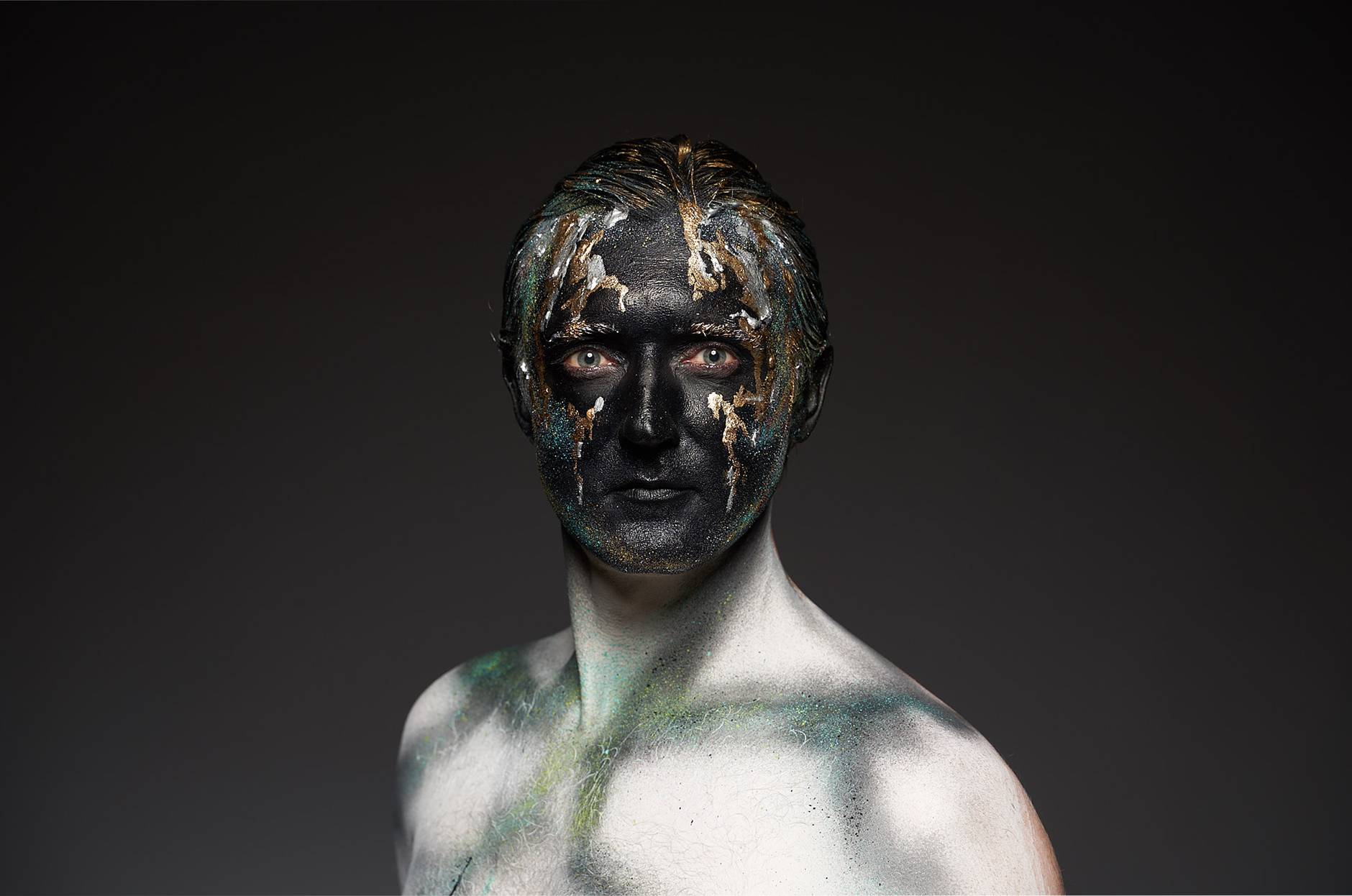
It’s here you can conjure distinctive attributes that help make a character memorable. Think of John Sanford’s Lucas Davenport with a thin scar running through his eyebrow to his cheek, and a smile that can be scary. Then there is Lieutenant Dave Robicheaux, a creation of James Lee Burke, who has ink-black hair and a mustache except for a white patch above one ear, a legacy of malnourishment during his troubled childhood.
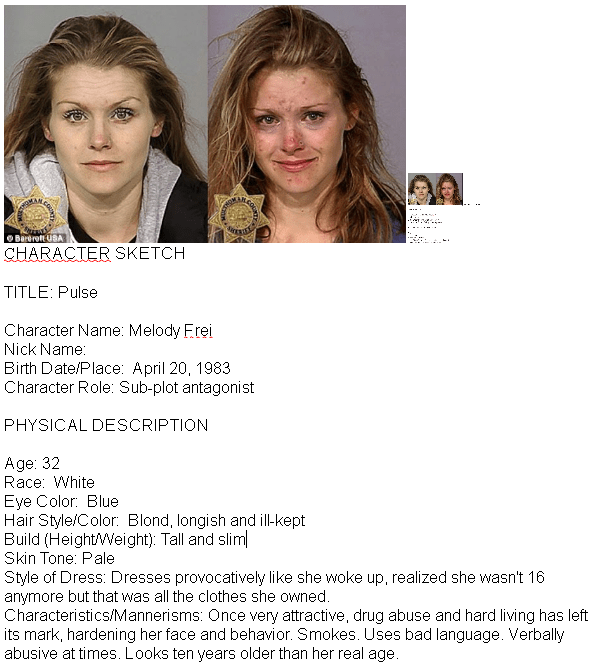
Another thing that can be helpful is to look around online and find a picture of someone who matches your vision of the character you are trying to create, and include it in your character sketch. I am a visual person, so if I describe the character in a book or story, the photo helps to do it in a more creative way than just listing vital statistics.
Below is an example of the appearance section of a character sketch for a book I am currently rewriting. The photo is one that I found browsing the internet that fit the bill of what I needed.
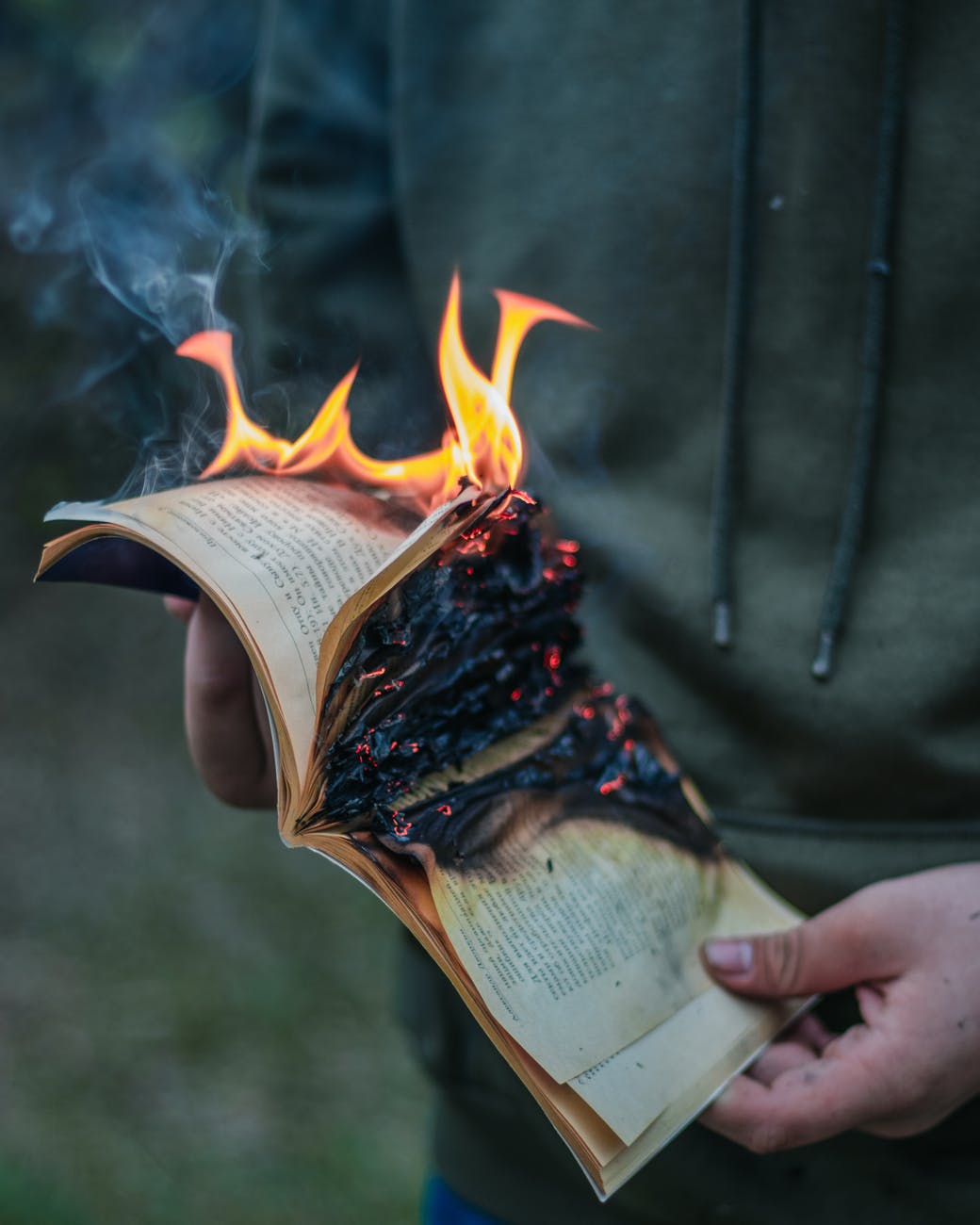
Creating bad guys or gals for your story is usually easier and more interesting than creating good ones. It’s probably because they have built-in conflict, and conflict is what makes a story hum. One source of good material for wicked, evil characters is your own experience.
All of us have encountered people in our lives that have mistreated us, insulted us, or lied about us to others. When you think about them, old emotional wounds open, and thoughts of anger and even hatred flare. Use this bitterness.
Use this bitterness.
The best way to deal with emotions toward such people is forgiveness. Bitterness and revenge are self-destructive. There is an old saying that you should dig two graves if you go seeking revenge. That does not mean you cannot use your enemies, and the strong emotions they trigger, as a rich source of material for creating loathsome characters for your stories.
It can not only help you craft engaging, memorable villains but in a subtle way, you get a measure of payback without the cost of overt revenge by immortalizing the abhorrent character the antagonists in your life in a work of literature.
My book, Trail to Peril is available on Amazon. Just click on the cover ->
Do you have a story bubbling away in your head, struggling to get out? Do you wish you could get it down on paper, but you don’t know where to start?
November is National Novel Writing Month, and the non-profit organization, NaNoWriMo, provides the opportunity, encouragement, and structure to help you realize your literary dream. The task is to produce a 50,000- word first-draft novel in 30 days. It sounds daunting, but according to their website, it has been done nearly 368,000 times.
The task is to produce a 50,000- word novel in 30 days.
I have done it twice. It is challenging, but the key, like most everything in life, is prior preparation. That is why now is the time to start thinking about it. You need a plot, characters, a theme, settings, a compelling event, a beginning, middle and end, and 60 or so scenes to create your novel. Use October to work out all of those details, and writing 1,666 words a day in November is a doable, even enjoyable task.
The best part is that sometime around November 29th or 30th, after bringing your story to life, you get to write the words “The End”, knowing you have done something few have done. You have written a bad novel.
Then the task is to turn it into a good novel, which is a different adventure.
This book is not in any of my usual reading genres, but I decided to read it anyway because I follow the author, Ralph Nelson Willett, on Twitter (@northerovation) and enjoy and often steal the Dad jokes he posts there. It turns out he is not just a great punster, but he can spin a tale into an engaging and edifying novel as well. He creates some fascinating mysteries that keep you reading along, such as a strange train whistle, an old blind guy who seems to know more than he should, and the question of whether the protagonist, Mary, will reconcile with her husband. It all gets resolved in a surprising and intriguing ending. The book is worth the read, and I will likely check out some of his other works.
I have spent the last couple of months prepping, publishing, and trying to promote my novel, Trail to Peril. Most of that has been learning the details of social media advertising, creating a website, setting up author pages on Amazon and Good Reads, and frittering away a few bucks on promotion services that didn’t work very well. It feels like I am starting to get a little traction, so I will jump on the next project.
During the 2015 NaNoWriMo, I wrote the first draft of a dystopian novel, tentatively called “Pulse”, set in Western Oregon in the aftermath of a North Korean EMP attack. The protagonist, Mackey, is faced with surviving and protecting his family in the the chaos that results. Finishing the rewrites and editing is my next project.
…2020 has delivered a treasure trove of calamity
The story’s premise is based on something I read about a government study on the effects of an EMP attack. It was a worst-case assessment that pointed to widespread chaos, a devastating death toll, and years of recovery. There are a lot of varying opinions about how severe the effects would be. For the purpose of the story, I, of course, went with the worst-case.
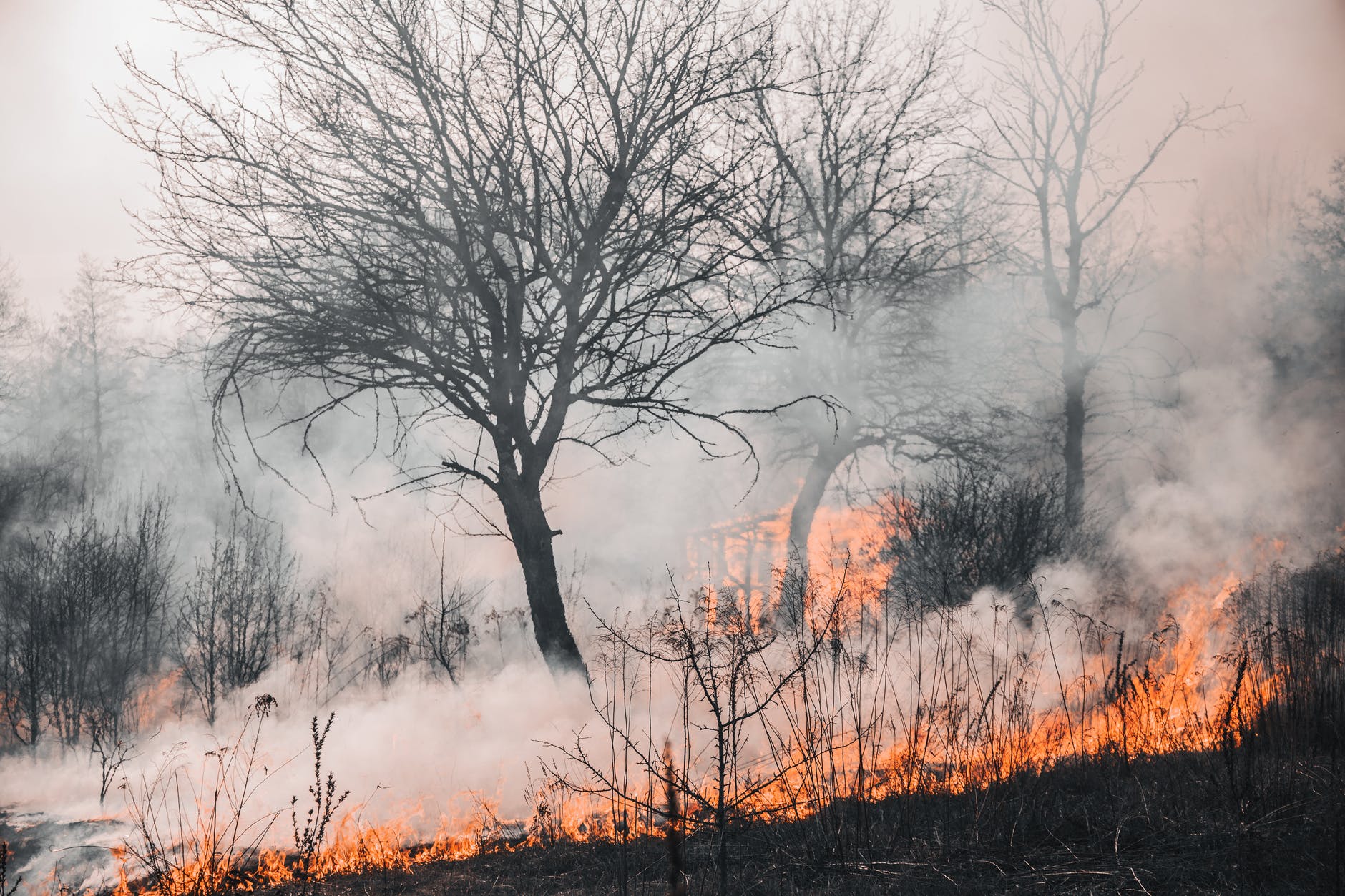
One thing that will help create a richer story as I rewrite and revise is the horrible year of 2020. In the first draft, the EMP comes on the heels of a pandemic that swept Oregon. The year 2020 has delivered a treasure trove of calamity to the Beaver State that can be incorporated into the rewrites including, Antifa riots, Covid-19, and the catastrophic wildfires. The use of these events in the narrative should provide something to which readers can connect, helping them put skepticism on pause so they can enjoy the story.
The goal is to rewrite and polish it up for publishing by year-end.








 Eli Ring, Author