Tag: writing

Use Your Bitterness

Creating bad guys or gals for your story is usually easier and more interesting than creating good ones. It’s probably because they have built-in conflict, and conflict is what makes a story hum. One source of good material for wicked, evil characters is your own experience.

All of us have encountered people in our lives that have mistreated us, insulted us, or lied about us to others. When you think about them, old emotional wounds open, and thoughts of anger and even hatred flare. Use this bitterness.

Use this bitterness.

The best way to deal with emotions toward such people is forgiveness. Bitterness and revenge are self-destructive. There is an old saying that you should dig two graves if you go seeking revenge. That does not mean you cannot use your enemies, and the strong emotions they trigger, as a rich source of material for creating loathsome characters for your stories.

It can not only help you craft engaging, memorable villains but in a subtle way, you get a measure of payback without the cost of overt revenge by immortalizing the abhorrent character the antagonists in your life in a work of literature.


My book, Trail to Peril is available on Amazon. Just click on the cover ->
Aspiring Novelist–Time to Get Ready for November

Do you have a story bubbling away in your head, struggling to get out? Do you wish you could get it down on paper, but you don’t know where to start?

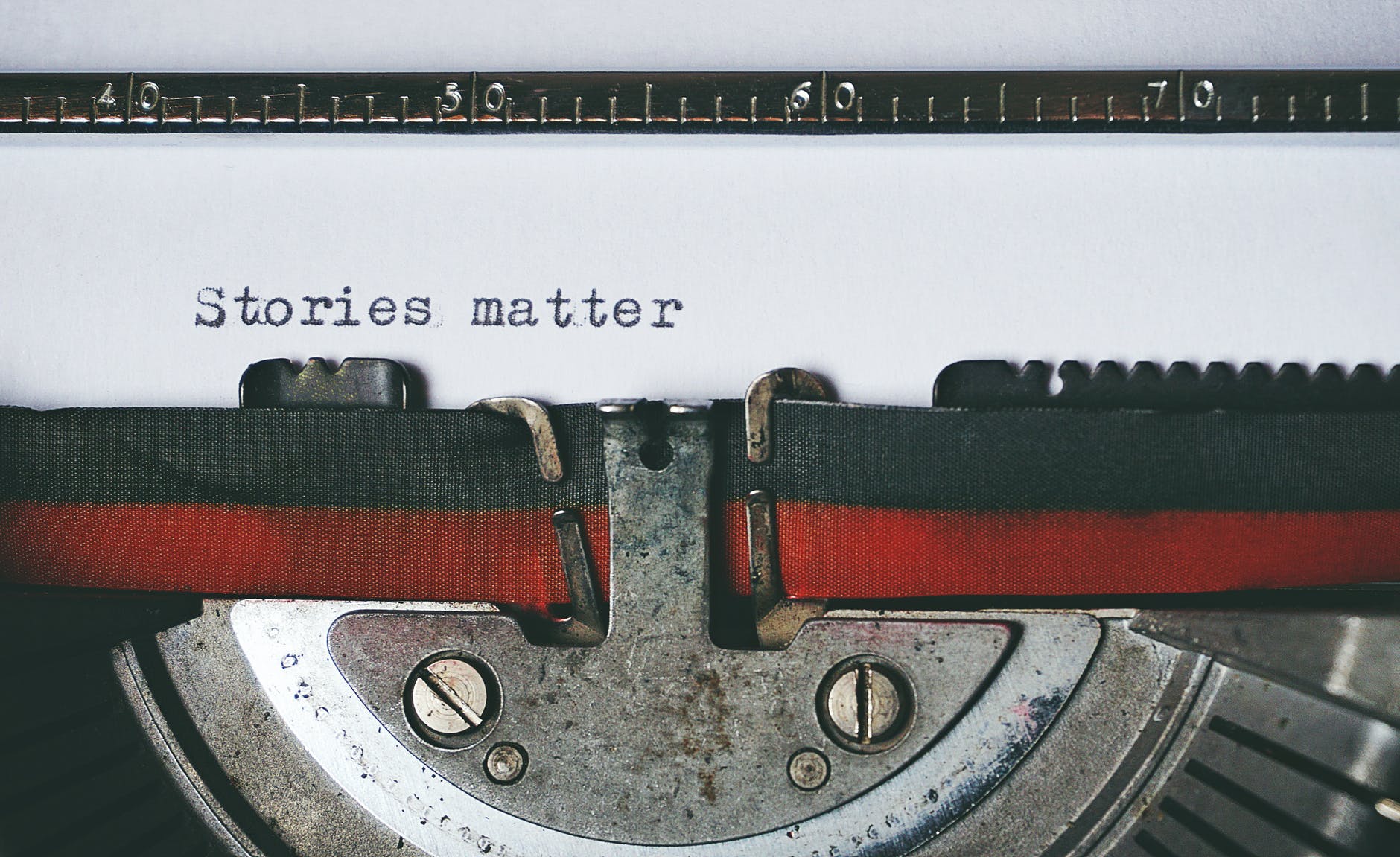
November is National Novel Writing Month, and the non-profit organization, NaNoWriMo, provides the opportunity, encouragement, and structure to help you realize your literary dream. The task is to produce a 50,000- word first-draft novel in 30 days. It sounds daunting, but according to their website, it has been done nearly 368,000 times.

The task is to produce a 50,000- word novel in 30 days.

I have done it twice. It is challenging, but the key, like most everything in life, is prior preparation. That is why now is the time to start thinking about it. You need a plot, characters, a theme, settings, a compelling event, a beginning, middle and end, and 60 or so scenes to create your novel. Use October to work out all of those details, and writing 1,666 words a day in November is a doable, even enjoyable task.

The best part is that sometime around November 29th or 30th, after bringing your story to life, you get to write the words “The End”, knowing you have done something few have done. You have written a bad novel.

Then the task is to turn it into a good novel, which is a different adventure.

Next Project

I have spent the last couple of months prepping, publishing, and trying to promote my novel, Trail to Peril. Most of that has been learning the details of social media advertising, creating a website, setting up author pages on Amazon and Good Reads, and frittering away a few bucks on promotion services that didn’t work very well. It feels like I am starting to get a little traction, so I will jump on the next project.

During the 2015 NaNoWriMo, I wrote the first draft of a dystopian novel, tentatively called “Pulse”, set in Western Oregon in the aftermath of a North Korean EMP attack. The protagonist, Mackey, is faced with surviving and protecting his family in the the chaos that results. Finishing the rewrites and editing is my next project.

…2020 has delivered a treasure trove of calamity

The story’s premise is based on something I read about a government study on the effects of an EMP attack. It was a worst-case assessment that pointed to widespread chaos, a devastating death toll, and years of recovery. There are a lot of varying opinions about how severe the effects would be. For the purpose of the story, I, of course, went with the worst-case.

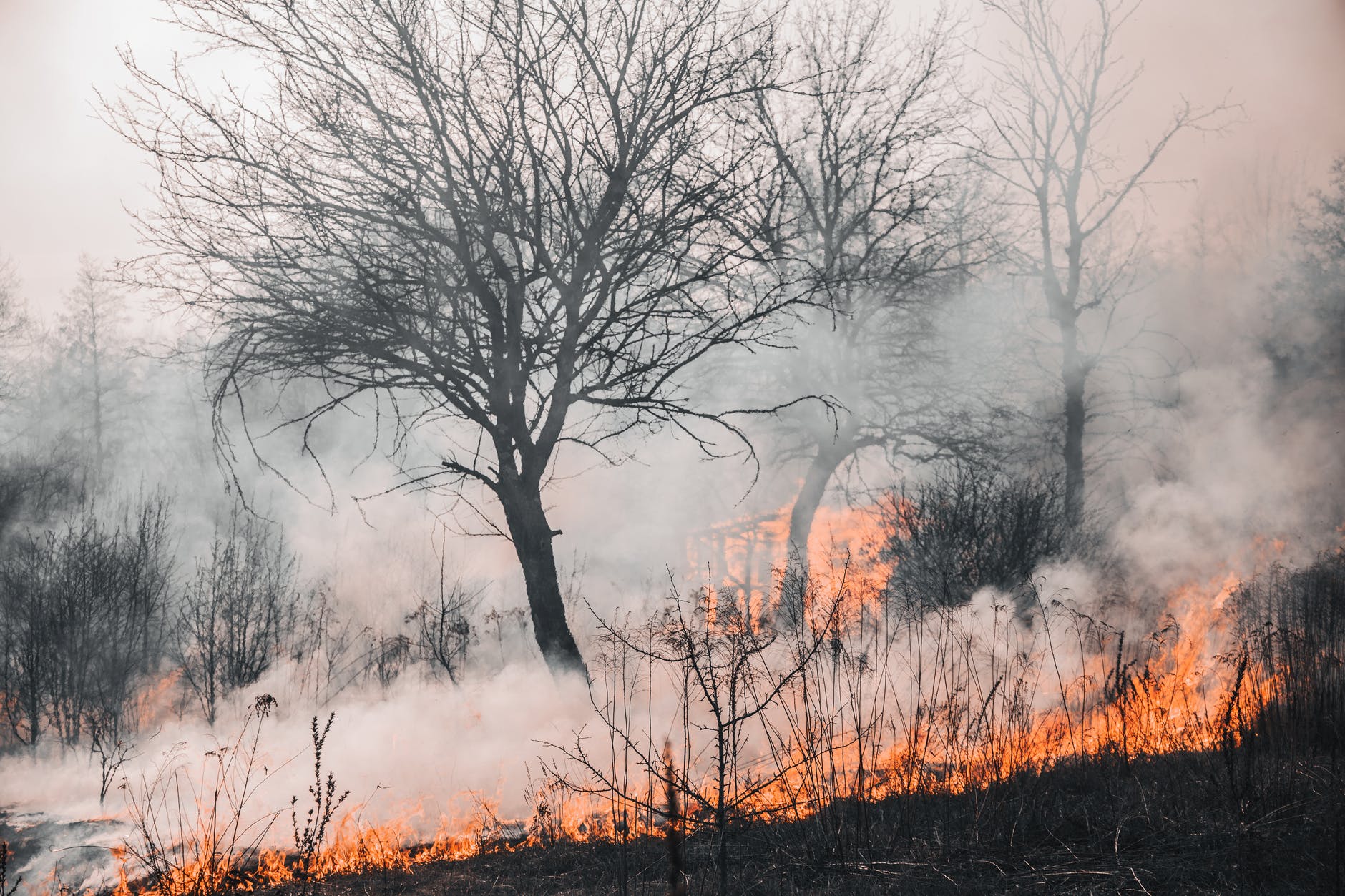
One thing that will help create a richer story as I rewrite and revise is the horrible year of 2020. In the first draft, the EMP comes on the heels of a pandemic that swept Oregon. The year 2020 has delivered a treasure trove of calamity to the Beaver State that can be incorporated into the rewrites including, Antifa riots, Covid-19, and the catastrophic wildfires. The use of these events in the narrative should provide something to which readers can connect, helping them put skepticism on pause so they can enjoy the story.

The goal is to rewrite and polish it up for publishing by year-end.